Are Rides Accessible? What to Ask Before Booking
A Central Florida vacation can involve more transportation than families expect: an airport arrival, hotel check-in, theme-park mornings, dinner reservations, and perhaps a Port Canaveral cruise departure. So, are rides accessible for every member of your party? The honest answer is that accessibility depends on the traveler’s needs, the mobility equipment involved, and the vehicle arranged in advance. The right questions turn transportation from a stressful unknown into a comfortable part of the trip.
What accessible transportation really means
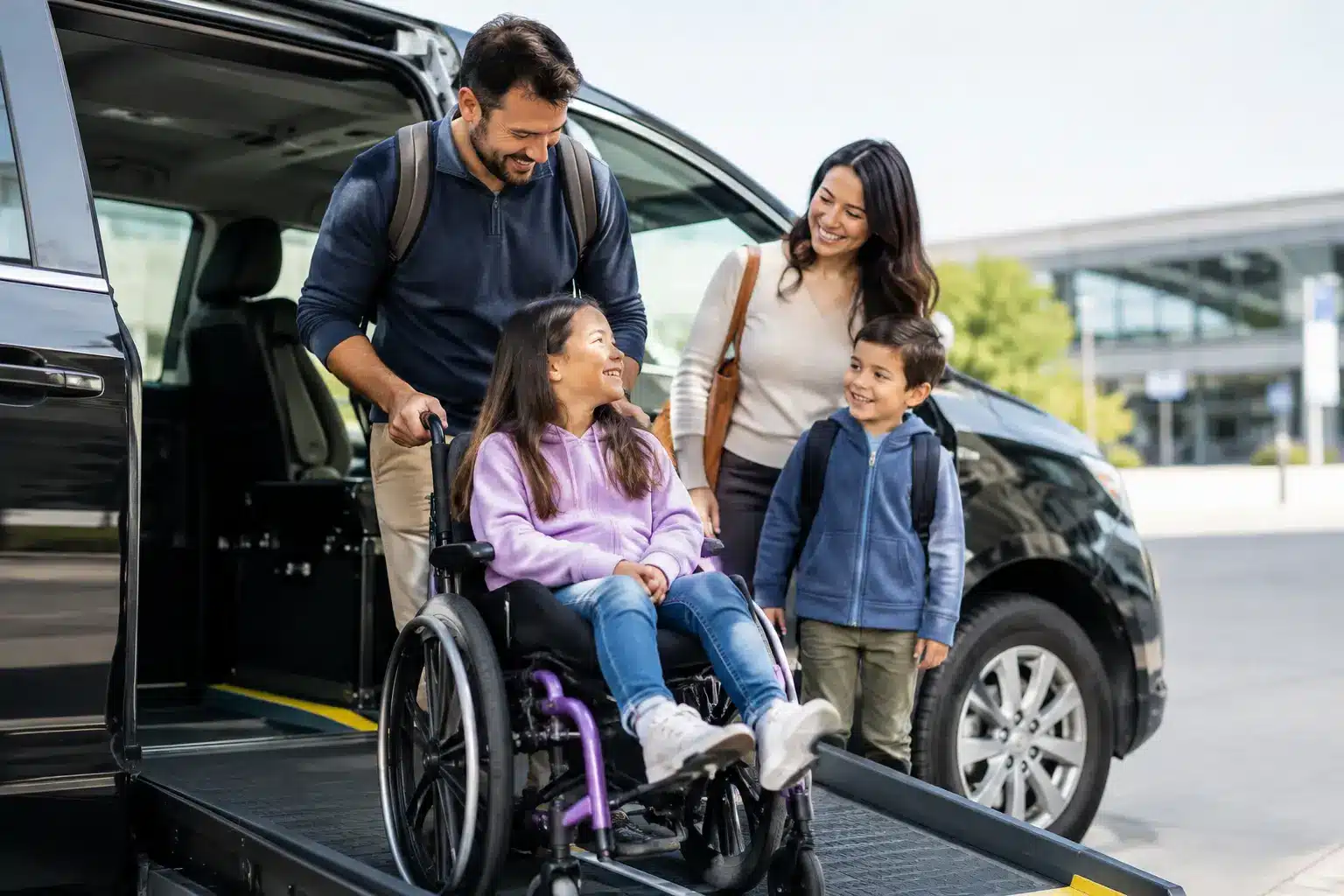
Accessible transportation is not one feature. A traveler using a folding wheelchair may need a spacious vehicle and help loading the chair. A traveler who must remain seated in a wheelchair during the ride may require a vehicle with a properly installed wheelchair lift or ramp and securement system. Someone traveling with a mobility scooter may need sufficient cargo space, safe loading, and clear confirmation of the scooter’s dimensions and weight.
Those distinctions matter. A large SUV may be a wonderful choice for a family with a foldable wheelchair, luggage, car seats, and a stroller, but it is not automatically the right solution for a passenger who cannot transfer into a vehicle seat. Similarly, a vehicle described as wheelchair-friendly is not necessarily equipped for every chair, power chair, or scooter.
A dependable transportation provider should welcome detailed questions rather than make broad promises. At Manton Transportation, requests are reviewed before the trip so the team can understand the traveler, the equipment, the party size, and the route. That advance conversation helps match the ride to the real need.
Are rides accessible for airport, park, and cruise travel?
They can be, when the vehicle and service plan fit the journey. Central Florida travel has practical details that can affect comfort, especially when a guest uses mobility equipment or needs extra time boarding.
Orlando airport arrivals
After a flight into Orlando International Airport, travelers may be tired, managing checked bags, or arriving with children who have reached their limit for the day. A prearranged private ride offers a calmer alternative to waiting in an unpredictable pickup line or trying to fit a wheelchair, stroller, and luggage into a vehicle that may not have enough room.
When booking, share the flight number, arrival time, number of bags, number of travelers, and mobility equipment details. Flight monitoring is particularly helpful when delays occur, but it does not replace clear accessibility instructions. If someone needs additional boarding time or assistance with a folding aid, say so before arrival.
Theme parks and resort transportation
Disney and Universal days often start early and end late. A private vehicle can reduce the pressure of shared shuttle schedules and multiple hotel stops, but travelers should still plan for the walking required after drop-off. Theme-park entrances, security areas, parking operations, and designated pickup zones can change the final distance between the vehicle and the gate.
For guests with limited stamina, a mobility scooter or wheelchair can make the day much more manageable. Let the transportation team know whether the scooter folds, whether its battery can remain installed, and whether it will travel inside the vehicle. It is also wise to allow extra time for loading and unloading, particularly at busy park closing times.
Port Canaveral cruise transfers
Cruise travel adds another layer: suitcases, carry-ons, mobility equipment, and a firm terminal arrival window. The best vehicle is one that accommodates the whole party without placing bags around a passenger’s feet or requiring unsafe lifting. A larger Sprinter, minibus, or other appropriately sized option may be more comfortable for multigenerational groups.
Cruise guests should provide the ship, terminal, scheduled boarding window, equipment measurements, and the full luggage count. If a traveler uses a wheelchair during the transfer, confirm whether they can move to a passenger seat or need to remain in the chair. This is one of the most important details in an accessible transportation request.
Information to share when you reserve
A reservation form cannot always capture every accessibility need in a single checkbox. The most useful approach is to describe what will make the ride safe and comfortable. Let the provider know whether the passenger can transfer independently, with help from a companion, or not at all. Explain whether a wheelchair is manual or powered, folding or non-folding, and provide its approximate dimensions and weight.
It also helps to mention walkers, canes, oxygen equipment, service animals, car seats, strollers, and medical bags. These items may be routine for your family, but they affect vehicle space and boarding time. Clear details allow the transportation team to prepare instead of making assumptions at the curb.
For a child with mobility needs, include age, approximate weight, car-seat needs, and whether the child travels with any positioning or medical equipment. Families should never feel they need to choose between a proper child restraint and adequate space for a mobility aid. Both should be discussed before the vehicle is assigned.
If the trip is for a routine appointment, treatment, or therapy session, also confirm the pickup location, destination entrance, appointment time, and expected return time. Non-emergency medical transportation is designed for planned, non-urgent travel. It is not a substitute for emergency medical care or an ambulance when medical monitoring or immediate intervention is needed.
Questions that protect comfort and safety
Before confirming a ride, ask what type of vehicle will be used and whether it supports your specific equipment. Ask if the wheelchair or scooter will ride secured inside the vehicle, whether the passenger must transfer to a seat, and how many companions and bags can travel comfortably alongside it.
You may also ask about pickup procedures. Airport, resort, and cruise-terminal rules can affect where the chauffeur meets you and how long the walk may be. If standing in a crowded area is difficult, request instructions that make the meeting process as simple as possible.
For travelers who need assistance, be clear about what assistance is appropriate. A professional chauffeur can provide courteous support within the agreed service arrangement, but travelers who require hands-on personal care, lifting, medical supervision, or clinical support should travel with a qualified caregiver or companion. Setting expectations ahead of time protects everyone’s safety and dignity.
Why private transportation can make a difference
A private, non-shared ride gives your group room to move at its own pace. There is no need to manage extra hotel stops, explain equipment needs repeatedly to different drivers, or worry that a late-running shuttle will shorten a carefully planned park day. The vehicle is reserved for your party, your route, and your schedule.
That does not mean every private vehicle is automatically accessible. It means there is more opportunity to plan thoughtfully. A provider can account for vehicle capacity, route timing, family seating, flight changes, and the practical realities of loading mobility equipment before your travel day arrives.
Book early, especially during busy travel periods
Accessibility requests are best made as early as possible. Holidays, school breaks, convention weeks, major sporting events, and cruise turnaround days can limit vehicle availability. Early booking gives the transportation team time to confirm the right fit instead of offering a last-minute option that may not meet your needs.
Bring the same care to return transportation. A perfect airport pickup is only half the plan if the ride back from a resort, theme park, medical appointment, or cruise terminal has not been considered. Confirm both directions, build in extra time where needed, and keep your party’s equipment details consistent on every reservation.
The most reassuring accessible ride is not the one with the broadest label. It is the one planned around the person traveling, with enough room, the right equipment, a professional chauffeur, and time to travel without being rushed.